


Views: 0 Author: Site Editor Publish Time: 2026-02-02 Origin: Site


Temperature control is crucial when cooking on a Kamado grill, as it directly impacts the quality and consistency of your food. Kamado grills are designed to provide precise heat management, which allows you to cook a variety of dishes—from high-heat grilling to low-and-slow smoking—with outstanding results. The grill’s thick ceramic construction helps to retain and evenly distribute heat, ensuring consistent cooking temperatures. This unique design minimizes temperature fluctuations, which is essential for achieving the perfect sear on steaks, slow-cooked tenderness on brisket, or a crispy crust on pizza. Mastering the control of airflow through the top and bottom vents allows you to fine-tune the temperature to suit different cooking styles and techniques, making the Kamado grill an incredibly versatile cooking tool.
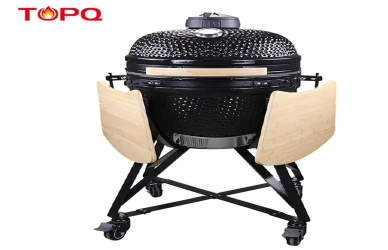
The vent system on a Kamado grill—comprising both the top vent and bottom vent—is the primary way to control airflow and, in turn, regulate the temperature. The bottom vent controls the amount of oxygen that flows into the grill, which fuels the charcoal and increases the heat. Opening the bottom vent more allows more oxygen to reach the charcoal, raising the temperature, while closing it reduces oxygen, lowering the heat. The top vent works as the exhaust, allowing smoke and heat to escape. By adjusting the top vent, you can control how much heat is retained inside the grill. Opening the top vent more allows heat to escape faster, lowering the temperature, while closing it retains more heat, increasing the cooking temperature.
The type of charcoal you use and how you manage the fuel plays a significant role in maintaining consistent heat. Lump charcoal is preferred for Kamado grills because it burns hotter and more evenly than briquettes, allowing for better temperature control. The size and arrangement of the charcoal can also affect heat distribution. For high-heat grilling, arrange the charcoal in a pyramid shape, allowing it to burn evenly. For low-and-slow smoking, use a larger pile of charcoal to create a longer, slower burn. Proper fuel management—ensuring you have enough charcoal for your cooking time and avoiding excess air flow that can cause the charcoal to burn too quickly—helps in maintaining stable temperatures throughout the cooking process.
The bottom vent is essential for controlling the amount of oxygen that enters the Kamado grill. Oxygen fuels the charcoal, and by adjusting the bottom vent, you can regulate the intensity of the burn and, consequently, the temperature. Opening the bottom vent allows more oxygen to flow into the grill, causing the charcoal to burn hotter and raising the temperature. Conversely, closing the bottom vent restricts the airflow, which reduces the oxygen supply to the charcoal and lowers the temperature. To maintain a consistent cooking temperature, adjust the bottom vent gradually—small changes will make a significant impact on the heat level, so avoid over-adjusting at once.
The top vent plays a critical role in heat retention and smoke regulation. It functions as the exhaust, allowing heat and smoke to escape from the grill. Opening the top vent increases airflow, which helps cool the grill down by allowing more heat and smoke to escape. This is useful for reducing high temperatures or preventing excessive smoke buildup. Closing the top vent helps trap heat inside the grill, maintaining a higher temperature. It also retains more smoke, which is beneficial for smoking meats and enhancing flavor. For fine-tuning the temperature, adjusting the top vent in tandem with the bottom vent helps maintain a balanced airflow, ensuring optimal cooking conditions.
For low and slow smoking, the goal is to maintain a steady, low temperature for several hours, which is ideal for cooking meats like brisket, ribs, and pork shoulder. To achieve this, the bottom vent should be opened just a small amount, allowing only a limited amount of oxygen to reach the charcoal, which keeps the temperature low. The top vent should be adjusted to allow some airflow but remain mostly closed to trap heat and smoke inside the grill. This slow-burning process helps infuse meats with deep, smoky flavors while keeping them tender and juicy. During smoking, it’s crucial to avoid opening the lid frequently, as this lets heat and smoke escape, causing temperature fluctuations.
For high heat grilling, such as cooking steaks or burgers, you want the Kamado grill to reach temperatures over 500°F (260°C). In this case, both vents should be opened wide to allow maximum airflow, providing plenty of oxygen to fuel the charcoal and create the intense heat needed for a quick, high-heat cook. The bottom vent should be fully open, and the top vent should also be opened to release excess heat and smoke, ensuring the grill stays at high temperatures. High heat is ideal for searing meat, achieving crispy exteriors while keeping the insides juicy and tender.
For baking (e.g., pizzas, bread) or roasting (e.g., poultry, vegetables), maintaining consistent heat is essential. The bottom vent should be slightly open to allow a steady but moderate oxygen supply, while the top vent should be adjusted to allow some airflow but not too much. This helps to retain a steady, controlled temperature that’s perfect for even cooking without overheating. It’s important to allow the grill to stabilize at the desired temperature before beginning the baking or roasting process, ensuring consistent heat distribution. Keeping the lid closed during these cooking methods helps maintain a stable environment, preventing temperature fluctuations that could affect the outcome of your food.
For low and slow smoking, the goal is to maintain a steady, low temperature for several hours, which is ideal for cooking meats like brisket, ribs, and pork shoulder. To achieve this, open the bottom vent just a small amount, allowing only a limited amount of oxygen to reach the charcoal. This keeps the temperature low and steady. The top vent should be adjusted to allow some airflow but remain mostly closed to trap heat and smoke inside the grill. This slow-burning method infuses meats with deep, smoky flavors while keeping them tender and juicy. During smoking, avoid opening the lid frequently, as this allows heat and smoke to escape, causing temperature fluctuations that can affect the cooking process.
For high heat grilling, such as cooking steaks or burgers, you want to reach temperatures over 500°F (260°C). In this case, open both vents wide to allow maximum airflow, providing plenty of oxygen to fuel the charcoal and create the intense heat needed for quick cooking. The bottom vent should be fully open, and the top vent should also be opened to release excess heat and smoke, ensuring the grill stays at high temperatures. High heat is perfect for searing meat, achieving crispy exteriors while keeping the insides juicy and tender.
For baking (e.g., pizzas, bread) or roasting (e.g., poultry, vegetables), maintaining consistent heat is essential. Keep the bottom vent slightly open to allow a steady but moderate oxygen supply, while the top vent should be adjusted to allow just enough airflow. This balance helps retain a controlled, steady temperature perfect for even cooking. Allow the grill to stabilize at the desired temperature before starting, ensuring that heat is distributed evenly. Keeping the lid closed during these cooking methods helps maintain a stable environment, preventing temperature fluctuations that could affect your food.
To slow smoke, open the bottom vent slightly and keep the top vent mostly closed. This allows for low, consistent heat over several hours.
Yes, for high-heat grilling, open both vents wide to allow maximum airflow. This will heat the grill quickly to temperatures over 700°F (370°C).
To maintain stable temperatures, avoid opening the lid frequently, adjust the vents slowly, and allow the grill to preheat and stabilize before cooking.
For pizza, set the grill to around 700°F to 800°F (370°C to 425°C). This high temperature mimics an outdoor pizza oven for a crisp crust and melted toppings.
Mastering temperature control on a Kamado grill is key to unlocking its full potential for a variety of cooking styles. Whether you’re low and slow smoking meats, high-heat grilling steaks, or baking pizzas, understanding how to adjust the bottom and top vents allows you to fine-tune the grill’s temperature to suit your needs. Remember, slow cooking requires small adjustments to the vents for low heat, while high-heat grilling benefits from wide-open vents for maximum airflow. For baking and roasting, a steady, moderate temperature is best achieved by slightly opening both vents. The key is to allow your grill to stabilize at the desired temperature before starting, and always avoid opening the lid too frequently to maintain consistent heat. Don’t be afraid to experiment with different temperature settings and vent adjustments—Kamado grills are incredibly versatile, and with practice, you’ll be able to create delicious meals in any cooking style.


