


Views: 0 Author: Site Editor Publish Time: 2026-01-26 Origin: Site


Kamado grills offer a range of advantages that make them a popular choice for grilling enthusiasts. One of their key benefits is precise temperature control. The thick ceramic walls of Kamado grills retain heat exceptionally well, allowing users to maintain a steady cooking temperature over long periods, whether grilling, smoking, or baking. This makes them perfect for low-and-slow cooking. Another standout feature is their ability to impart a rich, smoky flavor to food, thanks to the use of wood chunks or charcoal, which enhances the taste of grilled meats and vegetables. Kamado grills are also known for their versatility. They can be used for various cooking techniques, such as grilling, roasting, baking, and smoking, making them ideal for a wide range of recipes and cooking styles. However, despite these advantages, users often face some common challenges. Many struggle with temperature control at first, particularly when trying to maintain the right heat for slow cooking. Others may experience difficulties with airflow management, leading to uneven cooking or excessive heat loss when opening the lid too frequently. Additionally, beginners may encounter issues with fuel management, either using the wrong type of charcoal or failing to light the grill properly. These challenges can be easily overcome with practice and knowledge of the grill's components.
One of the most common mistakes is relying on chemical lighter fluids or fire starters to ignite your Kamado grill. While these products may seem convenient, they introduce chemicals that can negatively affect the flavor of your food. The chemicals in lighter fluids can impart a synthetic, unpleasant taste to your grilled food, especially during low-and-slow cooking or smoking sessions. Additionally, they can cause excess smoke and even flare-ups, creating an unsafe cooking environment and compromising the grilling experience.
The best alternative is to use natural lump charcoal or an electric starter. Natural lump charcoal is free from additives and burns cleaner, providing a purer flavor without the interference of chemicals. It also ignites more quickly, produces less ash, and generates consistent heat for longer cooking times. On the other hand, an electric starter offers a convenient, chemical-free way to light the grill. Using heat instead of chemicals to ignite the charcoal ensures a more controlled and consistent burn.
By switching to natural lump charcoal or an electric starter, you’ll enjoy several benefits. These methods allow the true flavors of your food to shine through, especially during smoking or slow cooking, where the taste of the meat is the highlight. The clean burn from these lighting methods also leads to less ash buildup, reducing maintenance. Overall, these chemical-free lighting techniques enhance both the flavor and safety of your grilling experience.
A common mistake when using a Kamado grill is over-controlling the airflow by closing the vents completely. Many users assume that closing the vents will help maintain a low temperature, but this can have the opposite effect. When the vents are fully closed, it restricts oxygen flow to the charcoal, causing the temperature to drop excessively. This can lead to uneven cooking or even make it difficult to achieve the desired temperature for certain recipes, particularly for low-and-slow cooking.
To maintain consistent temperature control, it’s important to adjust both the bottom and top vents to allow proper airflow. The bottom vent controls the amount of oxygen that reaches the charcoal, while the top vent acts as the exhaust to release heat and smoke. By opening the bottom vent slightly and adjusting the top vent for optimal airflow, you can ensure a steady temperature and prevent the grill from cooling down too quickly. Small, gradual adjustments to the vents will allow you to fine-tune the heat, ensuring you maintain the ideal cooking temperature.
Correctly managing airflow is key to achieving consistent results with a Kamado grill. By avoiding the complete closure of vents, you can maintain an efficient burn with stable temperatures, ensuring that your food cooks evenly. Proper airflow also prevents the buildup of excess smoke, which could negatively affect the taste of your food. By mastering vent adjustments, you’ll have better control over the cooking process, whether you're grilling, smoking, or baking.
A common mistake many users make is trying to start cooking before the Kamado grill has reached and stabilized at the desired temperature. Some grillers rush the process, heating the grill too quickly or starting to cook as soon as it seems hot enough. However, this often results in uneven cooking. If the grill is not at a stable temperature, your food may cook too quickly on the outside while remaining undercooked inside, leading to inconsistent results, especially for larger cuts of meat or slow-cooked dishes.
To avoid this issue, it’s essential to wait for the Kamado grill to stabilize at the proper cooking temperature before beginning. Kamado grills are known for their excellent heat retention, but it takes time for the temperature to reach a steady, optimal level. Allowing the grill to fully stabilize ensures even heat distribution throughout the cooking process. Use a thermometer to monitor the grill’s internal temperature, and only start cooking once it has settled at the desired level, whether you’re aiming for high heat for grilling or lower heat for slow smoking.
Allowing the grill to stabilize before cooking provides consistent, even cooking. It ensures that your food will cook thoroughly and at the right pace, leading to better flavor, texture, and juiciness. This practice is especially important for recipes that require precise temperature control, such as smoking large cuts of meat or baking pizzas. By giving your Kamado grill the time it needs to stabilize, you’ll achieve better, more predictable results and avoid the frustration of unevenly cooked meals.
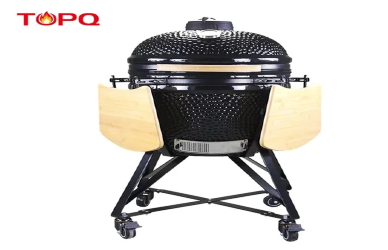
A common mistake that many Kamado grill users make is frequently opening the lid to check on their food. While it’s tempting to peek inside to see how things are progressing, opening the lid too often disrupts the cooking process. Each time the lid is opened, heat escapes, causing the temperature inside the grill to drop. This can lead to longer cooking times, uneven cooking, and potentially affect the texture and flavor of your food.
The key to maintaining consistent cooking temperatures is to minimize lid openings. It’s important to trust the process and only open the lid when absolutely necessary, such as to flip the food or check its internal temperature with a meat thermometer. Kamado grills are designed to retain heat efficiently, so leaving the lid closed will help maintain steady heat levels. The longer the lid remains closed, the more consistent the cooking temperature will be, ensuring better results for your grilled or smoked dishes.
By limiting how often you open the lid, you’ll maintain a more stable cooking temperature, which is essential for even cooking. This is especially important for slow-cooked dishes like smoked meats, where the flavor and texture can be compromised by fluctuating temperatures. Keeping the lid closed also reduces the risk of drying out your food, helping retain moisture and enhancing the overall flavor. In the long run, minimizing lid openings leads to better, more reliable grilling results.
A common mistake is not cleaning the Kamado grill after use. Ashes, grease, and food residue accumulate over time, affecting heat distribution and flavor. A dirty grill can cause uneven cooking and produce off-flavors from burnt residues.
To maintain performance, clean the ashes and grease after every use. Empty the ash drawer, remove leftover charcoal, and wipe down the interior. Clean the cooking grates and vents to ensure proper airflow and temperature control.
Regular cleaning ensures consistent performance and better heat retention. It extends the life of your grill and keeps food tasting fresh. By maintaining your Kamado grill, you'll enjoy more efficient cooking and better flavor with every use.
Maintaining proper humidity and temperature control is key. Avoid long exposure to high heat, and using wet wood chips or a water pan helps keep food moist.
Yes, but it requires more patience for preheating and avoiding cold air exposure to the ceramic surface. You might need additional insulation.
It may be tricky for beginners, but once you understand how to adjust the bottom and top vents, Kamado grills offer precise temperature control.
Use a soft cloth and non-abrasive cleaner. Avoid using wire brushes or harsh scrapers that could damage the ceramic surface.
To get the most out of your Kamado grill and ensure delicious, consistent results every time, it's important to avoid common mistakes like improper fuel use, over-controlling airflow, not waiting for temperature stabilization, frequently opening the lid, and neglecting cleaning. By following the right techniques and maintaining your grill regularly, you'll not only enhance your cooking experience but also extend the lifespan of your Kamado grill. Remember to clean the ashes and grease after each use, adjust the vents for proper airflow, and let the grill reach the ideal temperature before cooking. With these simple steps, your Kamado grill will continue to deliver exceptional performance, allowing you to enjoy great meals for years to come.


