


Views: 0 Author: Site Editor Publish Time: 2026-07-10 Origin: Site


Traditional thin-walled metal grills lose heat rapidly, burn through fuel at an unsustainable rate, and fail to hold stable temperatures when wind or rain hits the patio. A Kamado grill eliminates these variables. Evolving from the ancient Japanese clay "mushikamado," modern iterations use advanced refractory materials to create a sealed, high-thermal-mass cooking environment. Outdoor cooks constantly fight the limitations of standard equipment when trying to execute a 15-hour low-and-slow brisket smoke and a 900°F steak sear on the same unit. This system solves that problem by relying on heavy insulation and precise oxygen control rather than sheer fuel volume. By mastering the mechanics of airflow and thermal retention, you gain complete command over the cooking environment. The following breakdown details the structural components, thermodynamic principles, and operational techniques required to maximize the performance of this heavy-duty cooker.
Thermal Mass is the Core Differentiator: A ceramic kamado grill uses thick, insulated walls to absorb and radiate heat, drastically reducing fuel consumption and moisture loss compared to metal grills.
Airflow Dictates Temperature: Temperature control relies on a precise calibration of oxygen intake (bottom draft door) and exhaust (top vent), requiring a specific learning curve for new users.
High Versatility, High Commitment: While capable of smoking, roasting, baking, and searing, kamados require a significant upfront financial investment and present mobility challenges due to their extreme weight.
Fuel Specificity: Optimal performance requires high-quality hardwood lump charcoal; briquettes and chemical lighter fluids produce excessive ash and chemical residues that ruin porous ceramics.
The elongated, egg-shaped dome drives a continuous convection current. Heat rises from the lower charcoal bed, strikes the curved interior of the dome, and rolls back down over the cooking grates. This specific geometry prevents the harsh hot spots common in flat-lidded rectangular grills. It forces heat to envelop the food from all sides, ensuring consistent ambient temperatures across the entire primary cooking zone.
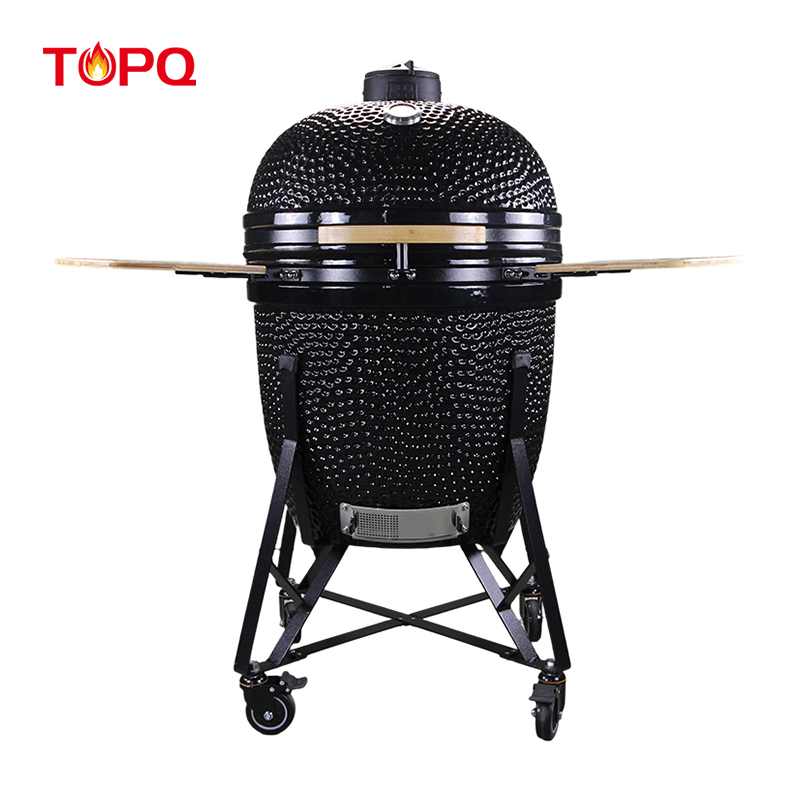
The core of a ceramic kamado grill is its thick, refractory shell. This material acts as a massive thermal battery. It absorbs thermal energy from the burning charcoal and radiates it evenly back into the chamber. The heavy insulation keeps the exterior surface relatively safe to the touch while locking extreme heat inside. Weather conditions like freezing rain or high winds have almost zero impact on the internal cooking temperature.
Combustion happens entirely within the internal lower assembly. The firebox holds the cast iron charcoal grate and contains the active fire. It sits inside the main shell with a slight air gap, isolating the extreme heat of the coals from the outer body to prevent structural cracking. The fire ring rests directly on top of the firebox, providing the necessary vertical offset between the glowing coals and the cooking grates.
You manage temperature entirely through a dual-vent system. The bottom draft door controls the primary oxygen supply. You use this lower vent for macro-temperature adjustments, opening it wide to accelerate combustion or closing it to choke the fire. The top vent manages exhaust and draft speed. You adjust this upper vent for micro-adjustments, dialing in exact temperatures by restricting how fast hot air escapes the dome.
Thick ceramic deflector plates transform the unit from a direct-heat grill into an indirect-heat smoker or outdoor oven. Placing these slabs between the firebox and the cooking grates blocks direct radiant heat and flames. This configuration allows you to bake bread, roast whole poultry, or smoke tough cuts of meat at low temperatures for hours without scorching the bottom of the food.
Component | Primary Material | Function |
|---|---|---|
Outer Shell | Glazed Refractory Ceramic | Provides thermal mass and weather resistance. |
Firebox | High-Heat Ceramic | Contains the fire and protects the outer shell from thermal shock. |
Top Vent | Cast Iron or Aluminum | Controls exhaust flow and micro-temperature adjustments. |
Bottom Draft Door | Stainless Steel | Regulates primary oxygen intake for macro-temperature control. |
Heat Deflector | Cordierite Ceramic | Blocks direct flame for indirect smoking and baking. |
Fire requires oxygen, heat, and fuel. Inside this sealed ceramic structure, you dictate the oxygen levels. Hardwood lump charcoal provides the fuel source. Tiny adjustments to the vent openings dramatically alter the combustion rate. Opening the vents creates a vacuum that pulls in a rush of oxygen, rapidly spiking the heat. Closing them starves the fire, dropping the temperature steadily.
The physics of fire within a sealed environment maximize fuel efficiency. By strictly limiting oxygen intake, you force the charcoal to smolder rather than burn aggressively. You can hold a steady 225°F for over 15 hours on a single load of charcoal. The thick walls trap the heat generated by this slow combustion, meaning you need very little active fire to maintain your target temperature.
Meat retains significantly more moisture in these units. Because the insulation is highly efficient, you need very little airflow to maintain the cooking temperature. Less airflow means less dry air passes over the surface of the food. This preserves natural meat juices and drastically reduces evaporative cooling, resulting in a shorter and less severe "stall" when smoking large cuts like pork shoulders.
The extreme heat retention of ceramics creates a distinct mechanical drawback. If you overshoot your target temperature, the grill is notoriously difficult and slow to cool down. If you accidentally let the dome reach 400°F when you intended to smoke at 250°F, you will wait hours for the thick ceramic walls to shed that excess thermal energy.
Proper arrangement of hardwood lump charcoal guarantees unobstructed airflow. Dump the largest chunks at the bottom of the firebox directly over the cast iron grate. These large pieces prevent the air holes from clogging with smaller debris. Layer medium pieces next, and place the smallest pieces on top. This structural stacking allows oxygen to flow freely from the bottom draft door up through the entire fuel bed.
Low-and-Slow (225°F - 275°F): Light a single, localized spot in the exact center of the charcoal pile. This initiates a slow, outward burn that gradually consumes the fuel over many hours.
High-Heat Searing (600°F - 900°F): Light multiple spots across the charcoal bed simultaneously. This quickly engages the entire fuel load, generating massive radiant heat in a matter of minutes.
Mid-Range Roasting (350°F - 400°F): Light two spots on opposite sides of the firebox to create an even, moderate burn rate suitable for poultry and large roasts.
You must catch the temperature on the way up. Taper your vents when the dome thermometer reads 50°F below your target temperature. If your goal is 250°F, start closing the bottom and top vents to narrow slits at 200°F. This gradual choking of oxygen prevents the thermal overshoot trap and locks the ceramic at the exact heat level required for your cook.
These units operate flawlessly as dedicated smokers. You configure the grill by inserting the ceramic heat deflector plates to block all direct flame. Add chunks of smoking wood directly to the hot coals. The ambient temperature remains incredibly stable. You can leave the grill unattended for hours, trusting the heavy ceramics to maintain a steady 225°F regardless of external wind or cold weather.
The capacity to reach extreme temperatures safely sets this cooker apart from standard metal grills. Remove the deflector plates and open both vents completely. The massive airflow creates a jet-engine effect, pushing temperatures past 700°F. This configuration delivers steakhouse-quality sears. Insert a ceramic pizza stone, and the intense radiant heat bakes Neapolitan-style pizzas in under three minutes.
Split-level grates and half-moon deflector plates allow for simultaneous multi-zone cooking. You install a deflector plate on only one side of the firebox. This creates a direct-heat zone for searing a steak over open flames. The opposite side becomes an indirect-heat zone for roasting vegetables or bringing thick cuts of meat up to temperature gently. This versatility maximizes the usable cooking area.
Lump charcoal costs more upfront than propane or wood pellets. However, the operational efficiency offsets this cost over time. You can extinguish fires mid-cook by completely shutting the top and bottom vents. This starves the fire chamber of oxygen, saving the unburnt charcoal for your next session. Traditional offset smokers burn continuously, wasting fuel once the food comes off the grates.
Standard steel grills rust and degrade quickly in humid or coastal environments. A glazed ceramic finish resists rust entirely. The thick walls ignore freezing temperatures, wet conditions, and high winds. While thin metal grills lose heat rapidly in the winter, forcing you to burn significantly more fuel, the ceramic unit performs identically in January as it does in July.
Budget-friendly insulated steel kamados exist on the market. They weigh less, cost less, and will not crack if dropped. However, steel units suffer from shorter heat retention lifespans. The internal insulation degrades over years of high-heat cycles. Traditional ceramic offers superior, lifelong thermal mass, provided you protect the unit from severe physical impacts.
Choosing the right size depends entirely on your cooking volume and patio space. An 18-inch classic model handles standard family dinners and fits comfortably on most patios. A 24-inch large model accommodates multiple briskets or large parties but consumes more charcoal per session. Evaluate your typical guest count before committing to the massive footprint and weight of a 24-inch unit.
Feature | Ceramic Kamado | Pellet Smoker | Gas Grill |
|---|---|---|---|
Temperature Range | 225°F - 900°F+ | 160°F - 500°F | 300°F - 600°F |
Fuel Type | Lump Charcoal | Wood Pellets | Propane/Natural Gas |
Weather Resistance | Excellent | Poor (Electronics) | Moderate |
Heat Retention | Maximum | Low | Low |
Moisture Retention | High | Moderate | Low |
Moving a 200+ lb ceramic unit presents a serious logistical reality. You cannot easily lift it into a truck for tailgating or camping. You must use heavy-duty rolling nests to move the grill across a patio. Transporting these units requires multiple people and careful handling to avoid structural damage, tipping, or cracking the internal firebox components.
Ceramics crack under severe stress. Thermal shock occurs if you rapidly heat a frozen grill or pour cold water on hot ceramic. Physical impact from dropping the heavy lid or knocking the unit over will shatter the shell. Manufacturer warranties are critical. Top-tier brands offer lifetime warranties on the ceramic components to mitigate this specific risk.
Set realistic expectations for your first 10 to 15 cooks. You must shift from visual, active grilling to closed-dome, airflow-managed cooking. Opening the lid constantly ruins the temperature stability and introduces unwanted oxygen. You must learn to trust your vent settings and your digital meat thermometers rather than flipping food every two minutes.
Always burp the grill by opening the dome an inch for three seconds before opening it fully at high temperatures to prevent dangerous flashbacks.
Clean the ash out of the bottom chamber before every long cook to ensure maximum airflow.
Check the tightness of the metal bands holding the dome twice a year to prevent the lid from slipping out of alignment.
Purchase high-quality hardwood lump charcoal to ensure clean burns and prevent ash buildup in the lower firebox.
Invest in a reliable dual-probe digital meat thermometer to monitor internal food temperatures without opening the dome and losing heat.
Start with a forgiving first cook, like a pork butt, to practice stabilizing airflow controls at 250°F before attempting expensive cuts of meat.
Inspect the tightness of the metal bands holding the ceramic dome after the first few high-heat cooks to ensure structural integrity.
A: No. Regular briquettes produce excessive ash that clogs the bottom airflow grate, choking the fire. They also contain chemical binders that absorb into the porous ceramic walls, permanently ruining the flavor of your food. Always use 100% natural hardwood lump charcoal.
A: Never use chemical lighter fluid. The porous ceramic interior will absorb the petrochemicals. This taints the grill permanently, causing all future food to taste like lighter fluid. Use natural wax fire starters, tumbleweeds, or an electric charcoal wand.
A: It typically takes 15 to 25 minutes to reach a stable cooking temperature. The exact time depends on your target heat and how much charcoal you light. High-heat searing temperatures take slightly longer as the thick ceramic walls need time to absorb the thermal energy.
A: Poor airflow is the primary culprit. Check if ash is blocking the bottom grate. Ensure you stacked the charcoal with large chunks at the bottom. Damp charcoal or closing the top vent too early will also prevent the fire from reaching high temperatures.
A: Yes. The glazed ceramic exterior is highly weather-resistant and handles freezing temperatures easily. Keep it covered when not in use to prevent water from entering the top vent and freezing inside, which could potentially expand and crack the interior components.


