


Views: 0 Author: Site Editor Publish Time: 2026-07-18 Origin: Site


Purchasing a heavy-duty outdoor cooker requires careful consideration of physical logistics, material science, and long-term durability. You are making a lifetime investment rather than buying a seasonal replacement that will rust out in three years. Navigating the saturated market presents a distinct challenge for outdoor cooking enthusiasts. Legacy brands and modern innovators offer highly similar baseline functionality, yet they differ wildly in accessory ecosystems, bundled features, and overall cooking versatility. Moving beyond simple brand loyalty requires a structured evaluation framework. By focusing on thermal dynamics, construction materials, and sizing realities, you can determine the exact fit for your specific backyard setup and cooking style. You need a cooker that matches your workflow, whether you plan to smoke briskets overnight or sear steaks at extreme temperatures.
Material Dictates Maintenance: Traditional ceramic offers superior thermal mass but carries cracking risks; insulated steel provides durability and mobility at the cost of traditional aesthetics.
Size Impacts Efficiency: Larger kamados consume significantly more charcoal for everyday cooks. The 18-inch class remains the optimal balance of capacity and fuel efficiency for most households.
The Ecosystem is the Product: A kamado is only as versatile as its accessories. Prioritize models with robust, multi-level cooking systems and third-party accessory compatibility.
Warranties Matter: Given the extreme temperature fluctuations, lifetime warranties on ceramic components are a non-negotiable baseline for premium models.
Understanding the basic architecture of a kamado BBQ grill is essential for evaluating its performance in the field. The dome and base consist of high-mass insulated walls designed to retain heat and radiate energy evenly across the cooking surface. Inside the main vessel, the firebox and fire ring hold the charcoal bed. These internal ceramic parts protect the outer shell from direct thermal stress and create a secondary air gap for insulation. Dual-point airflow controls manage combustion oxygen. The draft door at the bottom regulates incoming air, while the top vent acts as an exhaust control, creating a draft that pulls oxygen through the hot coals.
Thick-walled construction defines this specific cooking style. The heavy materials absorb and hold heat, enabling low-and-slow cooking with minimal fuel consumption. Because the walls radiate heat back into the chamber, the fire requires very little airflow to maintain target temperatures. This restricted airflow prevents meat from drying out during long smoking sessions. When you cook a pork shoulder for fourteen hours, the moisture remains trapped inside the dome rather than being blown out the exhaust vent by a massive fire.
A critical metric for smoking and roasting is the distance between the charcoal bed and the primary cooking grate. High-performing models provide at least 10 inches of clearance. This space prevents scorching and allows radiant heat to disperse evenly before reaching the food. Shallow fireboxes often result in harsh, direct heat that complicates low-temperature cooking. When you load a full basket of lump charcoal, you still need enough vertical space to insert a heat deflector and a drip pan without touching the cooking grates.
Stable temperatures rely entirely on precise oxygen management. Calibrated top vents and tight draft doors allow you to dial in specific temperatures without constant monitoring. High-quality vents resist shifting when you open the lid, ensuring your settings remain intact throughout the cook. Cast iron top vents hold their position well but require seasoning to prevent rust, while cast aluminum vents offer weather resistance and smooth operation.
Oxygen leaks ruin temperature stability and make it impossible to extinguish the fire after cooking. High-quality gaskets and heavy-duty latches prevent unwanted air from entering the combustion chamber. Modern fiberglass mesh gaskets offer superior longevity compared to traditional felt seals, which degrade quickly under high heat and require frequent replacement.
Comparison of Gasket Materials | |||
Gasket Type | Heat Resistance | Lifespan | Maintenance Required |
|---|---|---|---|
Standard Felt | Up to 400°F | 1-2 Years | Frequent replacement, prone to melting during pizza cooks. |
Wire-Mesh Fiberglass | Up to 900°F | 5+ Years | Minimal. Wipe clean with a damp cloth. |
Stainless Steel Mesh | Extreme (1000°F+) | Lifetime | Occasional degreasing. |
Ceramic domes are exceptionally heavy, often weighing over fifty pounds on larger models. Traditional spring-assisted hinges require significant physical effort to operate and can slam shut if you lose your grip. Advanced counterbalanced or pneumatic hinges reduce lid weight by up to 96 percent. These upgraded hinges prevent disastrous slams that can shatter the ceramic base and allow you to open the dome with a single finger.
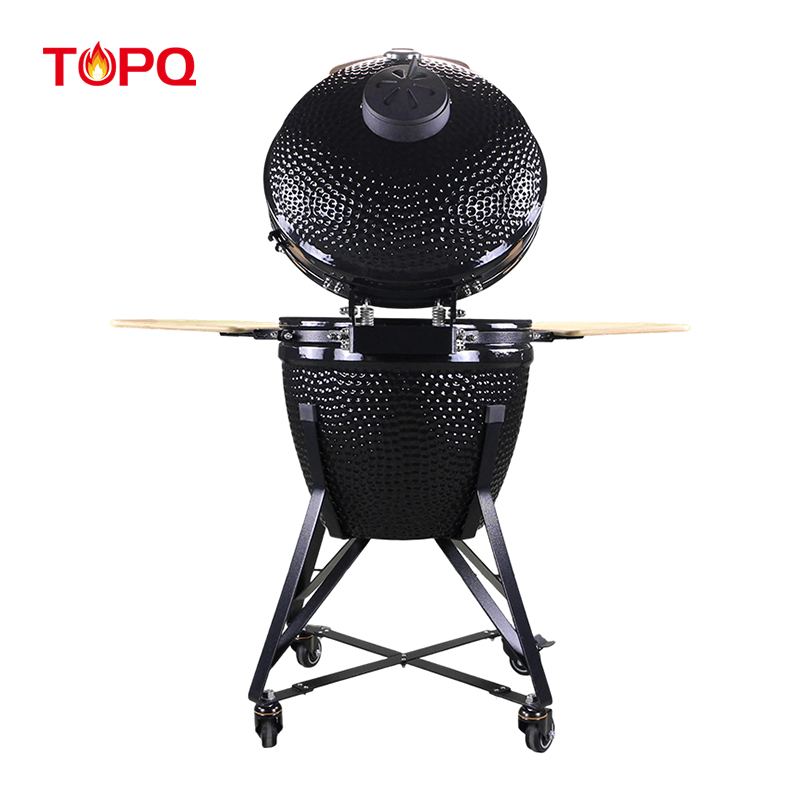
Ceramic remains the industry standard for a reason. It offers unmatched moisture retention and steady radiant heat. This material is ideal for locking in meat juices during multi-hour cooks. If cared for properly, a ceramic shell offers lifetime potential. However, it carries inherent fragility. Owners must manage the risk of micro-cracking and vulnerability to thermal shock, especially if moisture freezes inside the porous material during winter months. Furthermore, the extreme weight requires heavy-duty carts or reinforced built-in outdoor kitchen structures. Moving a fully assembled ceramic cooker across a bumpy lawn is a recipe for disaster.
Inspect the outer glaze annually for spider-web cracking.
Keep the interior dry by using a breathable, waterproof cover.
Gradually bring the temperature up during freezing weather to avoid thermal shock.
Never use water to extinguish a grease fire inside a ceramic vessel.
Double-walled steel construction with internal insulation mimics ceramic heat retention. These models heat up faster and resist exterior cracking entirely. Their shatterproof nature makes them ideal for tailgating, frequent moving, or extreme climates where ceramic might fail. Trade-offs exist, however. Steel models face potential issues with rust over time, paint peeling, and condensation buildup inside the dome. They generally carry shorter warranty periods compared to their ceramic counterparts, and the exterior can become hotter to the touch during high-heat searing.
Compact models serve specific, targeted purposes. They are ideal for tailgating, camping, or functioning as a secondary high-heat searing station next to a larger smoker. Their limitations become apparent during larger gatherings. You will face insufficient grate space for full packer briskets or multiple racks of ribs. Accessory options for this size remain highly limited, meaning you will mostly use it for direct grilling burgers, steaks, and hot dogs.
The 18-inch class represents the industry standard. It serves as the sweet spot for a family of four, fitting a large turkey or a brisket comfortably without wasting fuel. This size benefits from the widest availability of first- and third-party accessories. You can easily find rotisseries, pizza inserts, and cast iron grates designed specifically for this diameter. When you fire up an 18-inch model for a quick weeknight dinner, it reaches temperature quickly and uses a reasonable amount of charcoal.
Massive cookers handle high-volume entertaining, competitive BBQ, or commercial use. You can fit multiple pork shoulders, three briskets, or a dozen racks of ribs simultaneously. However, they carry a significant efficiency penalty. Heating a massive vessel requires large amounts of lump charcoal just to reach the target temperature. This makes extra-large models impractical for quick weeknight burgers or small family meals. The sheer weight of the dome also necessitates heavy-duty hinge systems.
Sizing and Charcoal Consumption | |||
Grill Size | Primary Use Case | Average Charcoal per Cook | Heat-Up Time |
|---|---|---|---|
13-15 inches | Tailgating, Searing | 1-2 lbs | 15 minutes |
18-19 inches | Family Meals, Smoking | 3-5 lbs | 25 minutes |
24+ inches | Parties, Catering | 8-12 lbs | 45 minutes |
The heritage trailblazers built the foundation of the modern market. They are characterized by unmatched dealer support, high-quality proprietary ceramics, and a massive community of dedicated users. However, these units are typically sold bare, requiring you to source accessories separately to achieve full functionality. Modern innovators drive the industry forward with integrated features. They often include multi-tier racks, slide-out ash drawers, air-lift hinges, and wire-mesh fiberglass gaskets in the base package. Mass-market alternatives focus on accessibility. Utilizing steel construction, they lower the barrier to entry but alter the classic thermal retention profile slightly, requiring more frequent vent adjustments during long cooks.
A Kamado grill relies heavily on accessories for its legendary versatility. Divide-and-conquer systems utilize split-level, half-moon grates that allow simultaneous direct and indirect cooking. You can sear a steak on one side over open flames while roasting vegetables on the other side above a ceramic plate. A ceramic heat deflector is mandatory for smoking and baking. It blocks direct flames, turning the grill into an outdoor oven and preventing the bottom of your meat from turning to charcoal.
Different configurations unlock various cooking methods. For low-and-slow smoking, you configure the grill with deflector plates and drip pans to protect the meat from radiant heat. High-heat searing utilizes direct flame access and cast iron grates positioned close to the coals to achieve a perfect crust. Baking and roasting require replicating a wood-fired brick oven using pizza stones placed above the deflectors to create an air gap. Rotisserie cooking utilizes wedge-shaped inserts that maintain a tight lid seal while spinning the meat over the fire.
Smoking: Deflector plates in, drip pan on top, stainless grates on the highest tier.
Searing: Deflectors removed, cast iron grates on the lowest tier directly above the coals.
Baking: Deflectors in, stainless grates installed, pizza stone elevated on spacers.
Removing spent charcoal is a necessary chore that impacts your overall experience. The traditional method involves scraping ash through the bottom draft door using a specialized tool, which often creates a mess on your patio. Modern designs feature slide-out ash drawers that catch debris automatically. You simply pull the drawer out and dump the cold ash into a metal bucket. This represents a major quality-of-life differentiator for frequent cooks who use their equipment multiple times a week.
Automation enhances the smoking experience and provides peace of mind during overnight cooks. Many models offer compatibility with thermostatic blower fans. These devices attach to the lower vent and automate temperature control, adjusting airflow based on internal pit probes. You set the desired temperature on your smartphone, and the fan pulses oxygen into the firebox to maintain that exact heat level for fifteen hours straight.
Evaluating what comes in the box is crucial for understanding the complete package. Some legacy brands utilize an a la carte model where the stand, side shelves, and deflector plates are sourced separately. This approach drastically changes the final setup required to start cooking. Contrast this with brands that include the cart, ash tool, and flexible cooking racks in the standard package, offering immediate utility out of the box. You must account for the necessary accessories when comparing different models.
Extreme temperatures stress materials over time, making robust support essential. The industry standard for premium models is a limited lifetime warranty on ceramics. Understand what voids this coverage, such as commercial use, chemical cleaners, or drop damage. Parts availability is equally important. Buy a brand with a proven track record of stocking replacement gaskets, fireboxes, and grates to ensure decades of use. A cracked firebox is a common occurrence after five years of heavy use, and you need a manufacturer that will ship a replacement promptly.
Moving a 200-pound ceramic vessel presents physical danger and logistical difficulty. Never attempt to lift the fully assembled unit alone. Professional delivery or a coordinated multi-person lifting strategy is highly recommended to prevent injury or equipment damage. Remove the dome, firebox, and fire ring before lifting the base into its cart. This reduces the overall weight and prevents internal components from shifting and cracking during the move.
These cookers are highly efficient and hold heat stubbornly. Once they overshoot a target temperature, the thick walls take hours to cool down. You must catch the temperature on the way up, closing the vents before reaching your target to allow the thermal mass to stabilize. If you aim for 250°F and accidentally let the fire reach 400°F, you will spend the next two hours waiting for the ceramic to shed that excess heat.
Routine maintenance ensures longevity and optimal performance. High-heat burn-offs eliminate grease buildup and prevent mold from forming in humid climates. You must also plan for periodic gasket replacement and regular hinge tightening to maintain seal integrity and lid safety. Check the band bolts every spring, as the metal expands and contracts throughout the year, potentially loosening the grip on the ceramic dome.
The right outdoor cooker balances your specific needs, primary cooking style, and willingness to manage heavy equipment. Selecting the proper size and material dictates your daily cooking experience and determines how often you will actually fire up the grill.
Measure your patio space and verify your wooden deck can support at least 300 pounds of concentrated weight.
Visit a local dealer to physically lift the domes and test the hinge resistance on various models.
List your three most common meals to determine if you need a 15-inch searing grill or an 18-inch smoking workhorse.
Source a high-quality, breathable cover immediately to protect the exterior from harsh weather.
A: Yes. They offer unmatched fuel efficiency, superior moisture retention, and incredible versatility. Unlike standard gas grills that rust out after a few years, a well-maintained ceramic cooker boasts a decades-long lifespan, making it a permanent addition to your patio.
A: No. You must use 100% hardwood lump charcoal. Standard briquettes contain binders and fillers that produce excessive ash, which blocks airflow. They also impart chemical flavors that become trapped in the porous ceramic walls.
A: The ceramic shell can last for generations if protected from drops and severe thermal shock. However, consumable parts like fiberglass gaskets, metal bands, and internal fire grates require periodic replacement every few years depending on usage.
A: A kamado relies on thick thermal mass for a set-and-forget experience with minimal airflow. An offset smoker requires active fire management, constant fuel additions, and a distinct high-airflow profile to draft smoke across the meat.
A: Yes. Their heavy insulation makes them excel at winter cooking. However, you must use a high-quality, breathable cover. This prevents rain or snow from entering the top vent and freezing inside the ceramic pores, which can cause cracking.
A: Utilize the high-heat burn-off method. Open the vents and let the grill reach 600°F to incinerate grease and food residue. Never use chemical cleaners or water inside the chamber, as the porous ceramics will absorb them and ruin future meals.


