


Views: 0 Author: Site Editor Publish Time: 2026-08-13 Origin: Site


Purchasing a heavy-duty ceramic grill brings an immediate logistical challenge. Buyers often underestimate the massive footprint and sheer weight of the shipping crate. This oversight leads to stranded pallets in driveways, damaged property, or refused deliveries. You need a solid plan to move this massive cooking equipment from a freight truck to your backyard safely. This guide breaks down the exact packaging dimensions, freight delivery realities, and site preparation requirements necessary to receive, unbox, and install a 23 Inch Kamado Grill. We cover standard pallet sizes, narrow gate navigation, and strict damage inspection protocols to ensure your setup process goes smoothly.
Standard Freight Footprint: Expect a palletized shipping box averaging 32" L x 32" W x 38" H, requiring specialized freight handling rather than standard parcel delivery.
Weight Realities: The gross shipping weight typically exceeds 300 lbs (136 kg), necessitating a minimum of two able-bodied individuals for unboxing and final placement.
Access Clearances: A minimum gate or doorway clearance of 36 inches is required if moving the grill while still on its shipping pallet.
Inspection Protocol: Immediate visual inspection of the shock-indicators and external banding is critical before signing the Bill of Lading (BOL) to protect against concealed ceramic damage.
Understanding the exact footprint of the shipping crate prevents logistical nightmares on delivery day. You must know if the packaged unit will fit through side gates, garage doors, or into a personal vehicle for will-call pickups. The dimensions dictate the equipment and manpower required for the job.
Manufacturers ship these heavy units in double-walled, heavy-duty corrugated cardboard boxes reinforced with rigid edge protectors. The typical cardboard box for this grill class measures approximately 30 to 32 inches in width and depth. The height usually ranges from 36 to 40 inches. This box is strapped securely to a heat-treated wooden pallet. The pallet is usually a standard 36-inch by 36-inch skid, though some brands utilize a custom 32-inch by 32-inch base to save space on the freight truck. You must account for the combined height of the box and the pallet, which often requires a total vertical clearance of at least 45 inches during transport.
Component | Length (inches) | Width (inches) | Height (inches) |
|---|---|---|---|
Cardboard Box | 30 - 32 | 30 - 32 | 36 - 40 |
Wooden Pallet | 32 - 36 | 32 - 36 | 5 - 6 |
Total Freight Footprint | 32 - 36 | 32 - 36 | 41 - 46 |
Physical footprints vary significantly between standard 23-inch classes and "Plus" or "XL" designated models. While the internal cooking grid remains similar across these models, variations in dome depth and heavy-duty hinge styles expand the shipping box footprint. Advanced airlift hinges protrude further from the back of the ceramic shell, requiring a larger custom-molded EPS foam insert. These design choices can add up to 4 inches to the overall width and depth of the packaging. Always verify the specific crate dimensions of your exact model rather than relying on generic class sizes.
Grill Class | Average Box Width | Average Box Depth | Average Box Height |
|---|---|---|---|
Standard 23-Inch | 30 inches | 30 inches | 36 inches |
Plus / Pro 23-Inch | 34 inches | 34 inches | 40 inches |
Understanding the weight difference is crucial for safe handling and equipment selection. The net weight represents the grill itself, typically weighing between 250 and 270 lbs. The gross weight includes the grill, interior custom-molded EPS foam, the exterior double-walled box, and the wooden pallet. This total package usually weighs between 300 and 330 lbs. This weight disparity dictates your equipment choices. You cannot move a 330 lb palletized Ceramic Smoker Grill with a standard lightweight hand truck. You need heavy-duty moving equipment rated for at least 500 lbs.
A 23-inch model in its factory box will not fit in a standard sedan or a small SUV. The vertical clearance and gross weight exceed the cargo capacities of these vehicles. If you choose a will-call pickup at a freight terminal, you must use a pickup truck or a transit van. Ensure your vehicle has adequate payload capacity and secure tie-down anchor points. You will also need access to a loading dock or a forklift at the pickup facility to load the pallet safely.
Vehicle Type | Compatibility | Reasoning |
|---|---|---|
Sedan / Coupe | Incompatible | Insufficient vertical clearance and trunk opening width. |
Small / Mid-size SUV | Incompatible | Cargo roof height is too low; suspension cannot handle the concentrated 330 lb load safely. |
Full-size Pickup Truck | Compatible | Open bed allows for forklift loading; payload capacity exceeds requirements. |
Transit / Cargo Van | Compatible | High roof clearance; flat loading floor accommodates pallet jacks. |
Navigating Less-Than-Truckload (LTL) freight delivery requires preparation. You must understand the difference between standard freight drops and white-glove installation services to manage expectations and avoid delivery day disasters.
Most freight carriers offer "curbside delivery with liftgate." This means the driver will lower the pallet from the truck bed to the ground at the curb or the edge of your driveway. They will not move the unit into your backyard, up stairs, or into your garage. Standard manual pallet jacks feature small, hard polyurethane wheels. These wheels struggle on gravel, grass, or steep driveway inclines. They will stop dead on a 1-inch concrete lip. If your driveway is not flat and paved, the pallet will remain exactly where the liftgate drops it.
You must inspect the exterior packaging before signing the delivery receipt. Freight damage happens, and your signature on the Bill of Lading (BOL) releases the carrier from liability if you do not note exceptions.
Check all four corners of the cardboard box for crushing or accordion-style folding.
Inspect the heavy-duty nylon banding. If the bands are severed or missing, the box may have been dropped and repackaged.
Look for punctures in the cardboard that could indicate a forklift tine struck the ceramic shell inside.
Check any attached shock indicators or tilt monitors on the outside of the box.
If you spot any anomalies, write "Subject to Inspection for Concealed Damage" clearly on the delivery receipt before signing. This documentation is vital if you discover a cracked base after the driver leaves.
Measure your side gates, HVAC unit bottlenecks, and patio doors before attempting to move the crate. You need a minimum clearance of 36 inches to move the pallet intact. If you have the clearance and a paved path, rent a specialized rough-terrain pallet jack. If pallet access is impossible, you must unbox the unit in the driveway. Use a heavy-duty appliance dolly with strap tensioners to move the unboxed ceramic base. Moving straps, like Forearm Forklifts, are excellent for carrying the base over grass or uneven terrain, provided you have a strong partner.
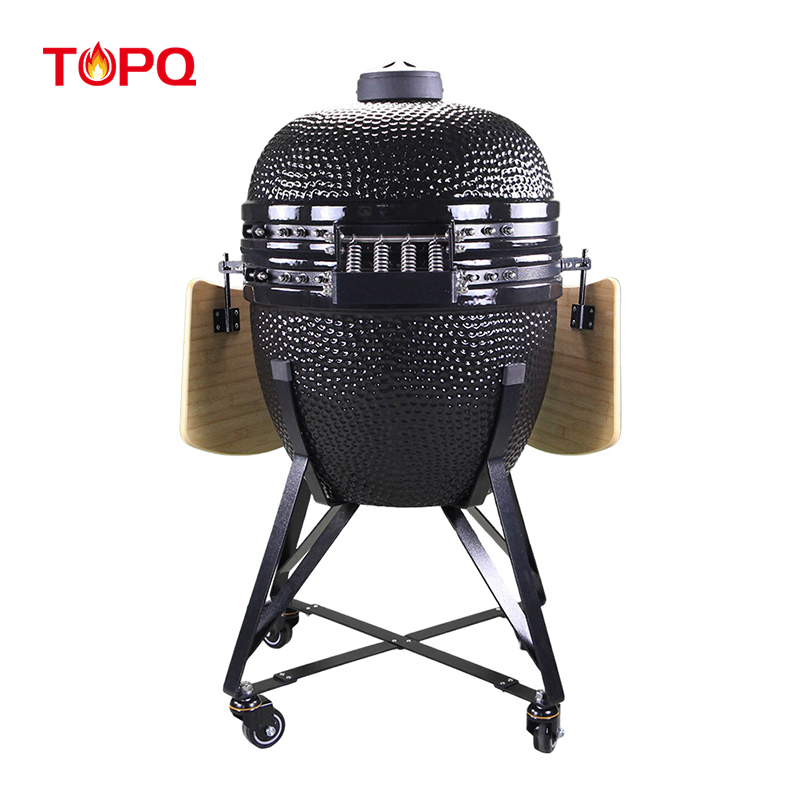
Assess the physical space and tools required to safely transition the grill from the box to its final resting place. Proper staging prevents accidents, component damage, and lost hardware.
Allocate a minimum staging area of 8 by 8 feet on a flat, stable surface. This space allows you to remove the box, lay out the internal components, and maneuver around the heavy base without tripping. Anticipate a massive volume of packaging waste. You will need to dispose of large custom-molded EPS foam blocks, heavy-duty double-walled cardboard, and a sturdy wooden pallet. Plan a trip to the local recycling center or schedule a bulk trash pickup in advance.
Scan the manufacturer-provided QR codes located on the manual or the outside of the box for step-by-step video tutorials. These guides are critical to prevent assembly errors and ensure proper hinge tension. Utilize responsive video embeds on your mobile or tablet device during the unboxing process. This allows you to cross-reference component layouts in real-time while working in your backyard, ensuring you do not miss any small washers or gasket seals.
Gather the right tools before breaking the seals. Using improper tools can damage the grill or cause injury.
Heavy-duty shears or tin snips to cut the tight nylon banding safely.
A utility knife to slice the cardboard. Keep depth warnings in mind; cut shallowly to avoid scratching the ceramics inside.
A 10mm and 13mm socket set to tighten the metal bands around the ceramic shell, as they often loosen during freight transit.
A rubber mallet for gently tapping cast iron components into place.
Lifting the ceramic base requires a minimum of two strong people. Never attempt to lift the unit by the fragile side tables, the ceramic lip, or the spring-loaded hinge. Doing so will crack the ceramic or throw the dome out of alignment.
Open the dome and remove all internal components, including the firebox, fire ring, deflector plates, and cast iron grates. This reduces the overall weight by up to 80 lbs.
Position one person at the front of the grill and one at the back.
The person at the front should grip the inside of the lower draft door opening.
The person at the back should grip the sturdy rear metal hinge assembly.
Lift simultaneously with your legs, keeping the base level, and walk it to the cart or built-in enclosure.
Packaging dimensions directly influence your permanent installation planning. You must translate the box size into a functional, safe cooking environment that accounts for heat output and physical movement.
The square box footprint is vastly different from the final assembled footprint. Once unboxed, you must account for the opened dome height and the extended side shelves. A unit that shipped in a 32-inch box may require over 50 inches of horizontal space once fully assembled with the side shelves deployed. The vertical height also increases dramatically when the heavy ceramic dome is fully opened, requiring clearance from overhead structures or patio umbrellas.
If you are building an Outdoor Kitchen Kamado setup, precision is mandatory. The 23-inch internal cooking grid usually translates to an external ceramic diameter of 28 to 30 inches, depending on the brand. Cutout clearances must be measured to within an inch of the manufacturer's specifications. You must leave a 1-inch to 1.5-inch air gap around the entire perimeter of the ceramic shell. This gap accommodates thermal expansion during high-heat cooks. If the ceramic touches the stone or concrete countertop, the expansion pressure will crack the grill or damage the masonry.
Measurement Area | Required Clearance / Tolerance |
|---|---|
Perimeter Air Gap | 1.0 - 1.5 inches from countertop edge |
Vertical Dome Clearance | Minimum 36 inches above the open dome |
Rear Hinge Clearance | Minimum 4 - 6 inches from the back wall |
Maintain mandatory vertical and horizontal clearances from wooden pergolas, vinyl siding, and deck rails. Never place the flat ceramic bottom directly on a combustible surface like a wooden deck or a plywood cabinet base. You must use the provided ceramic feet or a specialized metal table nest. This elevates the grill, ensuring proper bottom airflow and preventing dangerous heat transfer to the base structure, which could cause a fire.
Identify where the unboxing and setup process typically fails. Proactive mitigation keeps your investment safe, prevents physical injury, and keeps your warranty intact.
Sometimes, the exterior box looks perfect, but the ceramics inside are shattered from a severe drop at the freight terminal. Unbox the top half of the grill immediately while the freight driver is still present. Cut the bands and lift the cardboard sleeve off. If the driver cannot wait, film the entire unboxing process on your phone from start to finish. This continuous video evidence proves the damage occurred during transit and is invaluable for processing swift warranty claims with the manufacturer.
A standard pallet will not fit through a 32-inch garden gate. Conduct a pre-delivery site audit with a tape measure. If your gate is under 36 inches, plan to unbox the unit in your driveway. You will then need to carry the components piece-by-piece to the backyard. Use moving straps for the main base and have a clear, debris-free path planned out before you start lifting.
Vibrations during freight transport can knock the heavy ceramic dome out of alignment, compromising the airtight seal required for temperature control. Once the grill is assembled, perform the dollar-bill test. Close the dome on a crisp dollar bill and pull it out. There should be resistance. Test this around the entire perimeter of the gasket seal. If the paper pulls out easily in certain spots, the seal is compromised. Follow the manual's instructions to loosen the rear hinge tension bands, realign the dome so it sits flush, and retighten the hardware.
Successfully receiving a Large Kamado BBQ requires treating the delivery as a freight logistics event, not a standard parcel drop-off. Preparation dictates the success of your installation and protects your heavy-duty cooking equipment from damage.
Measure all access pathways from your curb to the final installation spot to ensure a minimum 36-inch clearance for the pallet.
Confirm liftgate service with the freight carrier prior to the delivery window and inspect the box thoroughly before signing the BOL.
Secure at least one capable partner to assist with the heavy lifting on delivery day, utilizing proper lifting points on the ceramic base.
Prepare an 8x8 foot staging area and gather your tin snips, utility knife, and socket set before the freight truck arrives.
A: It will not fit in a standard SUV due to the 40+ inch vertical height and 300+ lb gross weight. You must use a pickup truck or a transit van equipped with heavy-duty tie-down points and adequate payload capacity.
A: The gross shipping weight, which includes the grill, internal custom-molded foam, exterior double-walled cardboard, and the wooden pallet, typically ranges between 300 and 330 lbs.
A: A pallet jack is highly recommended if you have a paved, flat path with at least 36 inches of clearance. It will not work on grass, gravel, or steep driveway inclines.
A: Note "Subject to Inspection for Concealed Damage" on the delivery receipt before signing. Take clear photos of the damage while the driver is present to protect your warranty claim.
A: No. The ceramic base alone weighs over 150 lbs even with all internal parts removed. You need at least two people to safely lift and position the unit without risking injury or damage.
A: Remove all internal components first to reduce weight. Have two people lift simultaneously, using the lower draft door opening and the rear metal hinge as secure lifting points.
A: Yes. "Plus" or "XL" models often feature deeper domes and heavier airlift hinges, which can add up to 4 inches to the overall width and depth of the shipping crate.


