


Views: 0 Author: Site Editor Publish Time: 2026-10-19 Origin: Site


Picture this. It is 3 AM. A crisp frost coats the grass. You step onto your patio only to discover your overnight brisket is sitting in a cold smoker. The fire choked out. The meat stalled. Your barbecue plans are officially ruined. If you cook on a traditional metal grill, this frustrating scenario is likely all too familiar. Steel kettles lose heat rapidly. Maintaining steady temperatures becomes an exhausting, sleep-depriving battle against physics.
A kamado grill solves this engineering problem entirely. By leveraging the fundamental physics of thermal mass and precision airflow, these heavy-duty cookers provide a true set-it-and-forget-it experience. Thin metal simply cannot replicate this performance. In this comprehensive technical breakdown, we will explore exactly why upgrading your backyard setup to a ceramic cooker will permanently transform the way you manage fire and flavor.
Thermal Mass: Thick ceramic walls absorb and radiate heat evenly. Thin steel bleeds thermal energy directly into the atmosphere.
Airtight Seals: Premium kamados feature heavy-duty gaskets that eliminate rogue air leaks. This grants you pinpoint control over the oxygen feeding your embers.
Fuel Efficiency: Superior insulation means these cookers use significantly less charcoal than metal counterparts during 12-hour smoking sessions.
Weather Immunity: Ceramic cookers hold rock-steady temperatures in freezing snow or heavy wind. Steel kettles lose heat instantly when exposed to harsh elements.
The Ultimate Upgrade: Upgrading to a premium ceramic cooker offers the perfect balance of insulation, longevity, and empirical cooking performance for serious pitmasters.
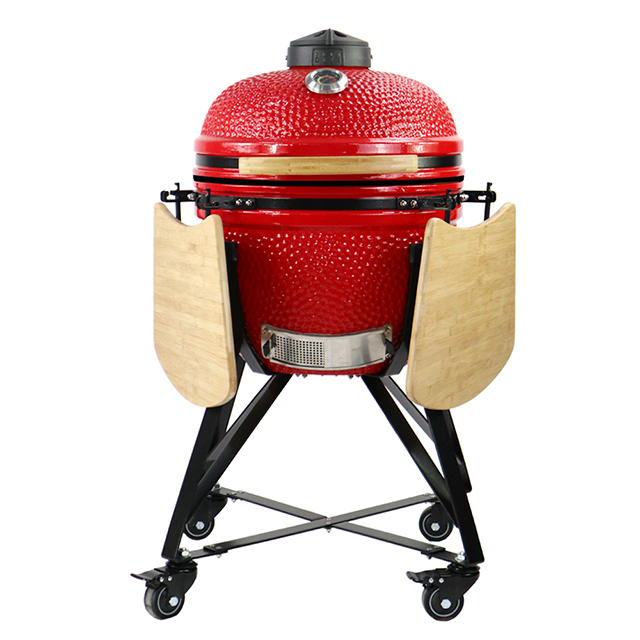
To truly understand why a kamado outperforms a traditional steel kettle, we must look at the thermodynamics of their construction materials. The difference in temperature stability is not a matter of brand preference. It is pure material science.
Ceramic acts as a massive thermal battery. When you ignite a batch of lump charcoal inside a TOPQ 20 Inch Kamado Grill, the thick walls begin to absorb that thermal energy. Instead of letting the heat pass straight through to the outside air, the shell stores it. It then gently radiates that energy back toward the center of the cooking grate.
This creates a highly stable convection oven effect. Because the walls themselves become hot and radiate energy, the internal ambient temperature remains remarkably steady. Even if the charcoal fire experiences minor fluctuations, the thermal mass compensates. Ceramic takes a little time to warm up. However, once it reaches your target temperature, it fiercely resists changing.
In stark contrast, traditional kettle grills are constructed from relatively thin carbon steel. Steel is an excellent conductor of heat. That is precisely why it makes for terrible insulation.
Build a fire in a steel kettle, and the heat transfers rapidly through the metal walls. It dissipates into the surrounding air almost instantly. Because the walls cannot store heat, the internal temperature relies entirely on active, ongoing combustion. If the fire dips for even a moment, the grill temperature drops immediately. Consequently, the fire must work significantly harder. You burn through more fuel just to maintain a baseline ambient temperature.
Performance Metric | Ceramic Kamado | Steel Kettle |
|---|---|---|
Wall Thickness | 1.2 to 1.5 inches of dense ceramic | 1 to 2 millimeters of stamped steel |
Heat Retention | Exceptional thermal mass storage | Poor bleeds heat rapidly |
Fuel Efficiency | High single load lasts 12 to 18 hours | Low requires frequent refueling |
Weather Resistance | Immune to wind and freezing temps | Highly vulnerable to cold and wind |
Heat retention is only half of the temperature control equation. The other critical factor is airflow. Fire requires oxygen to burn. Dictating the exact volume of oxygen that reaches the charcoal is how engineers and pitmasters master their cooking temperatures.
Specifically, a high-quality kamado operates as a completely sealed ecosystem. The heavy lid meets the base with thick, heat-resistant fiberglass gaskets. When the lid is clamped shut, absolutely no air can enter or escape through the seams.
This airtight environment means the only oxygen reaching the fire enters through the calibrated bottom draft door. The only exhaust leaves through the top vent. By making micro-adjustments to these two vents, you dial in the exact combustion rate of your charcoal. Because there are no rogue drafts, the temperature responds predictably. This allows for surgical precision during long cooks.
Steel kettles are rarely airtight. The metal lid simply rests on the metal base. This creates a metal-on-metal seal that naturally warps over time due to constant heat expansion and contraction. Furthermore, ash catcher assemblies on many kettles allow ambient air to seep in.
This leaky nature allows rogue oxygen to enter the combustion chamber uninvited. Even if you completely close the vents on a standard steel kettle, the fire may continue to smolder. Air pulls through unsealed gaps. This design flaw turns low and slow smoking into a constant babysitting job. You are forced to continuously monitor the grill to prevent unexpected temperature spikes.
Looking at recent market data surrounding outdoor cooking, a clear paradigm shift is occurring in backyards across the globe. Consumers are increasingly abandoning entry-level, thin-metal barbecues. Instead, they are moving toward high-retention, energy-efficient outdoor ovens.
Industry experts note that as outdoor kitchens become more sophisticated, buyers prioritize sustainability and long-term durability over low upfront costs. The demand for ceramic cookers has surged precisely because they align perfectly with this trend. They offer unmatched fuel efficiency, all-weather reliability, and a robust build quality that disposable steel models simply cannot provide. This data underscores a broader culinary movement. Home cooks are investing in professional-grade equipment that guarantees consistency and elevates the overall cooking experience.
The superior insulation and airtight airflow control of a kamado directly translate into measurable fuel efficiency. Over a few seasons, the amount of charcoal you save can significantly offset the initial investment of the grill itself.
Because a steel kettle bleeds heat through its walls, it requires a large, actively burning fire to maintain a smoking temperature of 225°F. In contrast, a kamado requires a surprisingly small ember bed to hold that exact same temperature. The ceramic walls trap heat so efficiently that a single load of high-quality hardwood lump charcoal can smoke a pork shoulder for 15 hours without ever needing a refill. You spend less time opening the lid to add fuel and more time letting the meat cook undisturbed.
Another major empirical advantage of an airtight seal is the ability to extinguish the fire on command. Once you pull your food off the grates, you simply close the top and bottom vents. Deprived of oxygen, the fire suffocates rapidly. The unburned lump charcoal left in the firebox remains perfectly viable for your next cook. Over years of regular grilling, the fuel saved by using a premium 20-inch ceramic charcoal grill makes it a highly economical choice compared to drafty metal kettles.
For outdoor cooking enthusiasts, the weather is an unavoidable variable. However, the type of equipment you use determines just how much mother nature impacts your barbecue.
Imagine trying to maintain 225°F while a harsh winter wind whips across your patio. For a steel kettle, this scenario is an absolute nightmare. Wind acts as a convective cooling mechanism. It aggressively strips heat away from the thin metal surface. The cold air forces you to open the vents wider to generate more heat. This increases airflow, which in turn burns the charcoal faster and dries out the meat. Maintaining a steady temperature in freezing conditions with thin metal is an exhausting battle.
A thick ceramic shell is practically immune to outside temperatures. The heavy insulation prevents cold air and wind from drawing heat out of the cooking chamber. You can set a kamado to 250°F in the middle of a blizzard, and it will hold that temperature flawlessly. You do not need to drastically alter your vent settings or burn excessive amounts of fuel just because the weather turned poor.
For backyard pitmasters who have recognized the limitations of their steel kettles and are ready to make a data-driven upgrade, selecting the right size and build quality is crucial. Abstract features mean nothing without real-world performance. This is where the TOPQ 20 Inch Kamado Grill stands out as the optimal sweet spot for both space and thermal efficiency.
Let us look at the tangible parameters. This specific model utilizes a heavy-duty mullite ceramic construction capable of withstanding internal temperatures up to 800°F. The 20-inch diameter provides ample cooking real estate. It easily accommodates a whole packer brisket, multiple racks of ribs, or two whole chickens. Yet, it is not so massive that it wastes fuel during smaller, everyday cooks.
Additionally, it features superior top-vent airflow control made from rust-resistant materials. This allows for micro-adjustments that stay locked in place. Combined with robust, high-temperature gaskets that seal the dome flawlessly, it guarantees the airtight stability required for overnight smoking. By eliminating the drafty, heat-bleeding flaws of traditional metal kettles, this grill allows you to master the art of fire management with minimal effort.
Steel kettles certainly have their place for quick, casual backyard burgers. However, they simply cannot match the thermal mass, airtight efficiency, and steady temperatures of a heavy-duty ceramic cooker. Mastering barbecue means controlling your cooking variables. A kamado removes the hardest variable of all: temperature fluctuation. Leave the frustration of a leaky kettle behind. Stop losing sleep over stalled briskets. Elevate your outdoor cooking game with a TOPQ Kamado Grill today. For more professional-grade outdoor cooking solutions, explore the full lineup at TOPQ Grill and find the perfect fit for your patio.
Yes, it is possible to smoke meat on a steel kettle, but it requires constant monitoring, adding fuel, and adjusting vents. Because thin steel provides no insulation, the internal temperature is highly susceptible to wind and ambient weather changes. It is much more labor-intensive than the hands-off nature of a ceramic grill.
A kamado takes slightly longer, usually about 15 to 20 minutes, to reach its target temperature. The fire must heat the thick ceramic walls first, allowing them to absorb the energy. However, this short wait is a worthwhile trade-off. Once those walls are saturated with heat, the grill will lock in that temperature and stay there for hours without requiring further intervention.
Not at all. In fact, many beginners find it significantly easier to cook on a kamado. The primary struggle for novice pitmasters is fighting unexpected temperature spikes and drops. Because a ceramic cooker holds temperature so reliably and responds predictably to minor vent adjustments, beginners can focus on food preparation and timing rather than constantly battling the fire.
It is highly recommended to use 100 percent natural hardwood lump charcoal rather than traditional briquettes. Briquettes are often manufactured with binders and fillers that produce massive amounts of ash. In the compact, precise ventilation system of a kamado, excessive ash can easily block the airflow from the bottom grate. Hardwood lump charcoal burns cleaner, hotter, and leaves behind minimal ash.
Temperature control relies entirely on the top and bottom vents. The bottom draft door controls the volume of oxygen entering the firebox, which dictates the overall heat range. The top vent acts as the exhaust, allowing you to make fine-tuned micro-adjustments. Opening both vents creates a raging fire for searing, while closing them down to a sliver maintains low-and-slow smoking temperatures.
Absolutely. While the initial purchase price is higher than a stamped metal kettle, the total cost of ownership is lower. A well-maintained ceramic grill will last decades without rusting out. Furthermore, the extreme fuel efficiency saves you significant money on charcoal over the years, making it a smart long-term investment for serious outdoor cooks.


