


Views: 0 Author: Site Editor Publish Time: 2026-08-11 Origin: Site


Importing outdoor cooking equipment carries hidden compliance liabilities, specifically regarding the materials that come into direct contact with high-heat food environments. Unverified ceramic glazes, low-grade metal grates, and non-compliant gaskets can leach heavy metals like lead and cadmium, along with toxic chemical binders, at high temperatures. These failures lead to customs seizures, mandatory recalls, and severe brand liability. To safely import and distribute these units, buyers must move beyond basic factory marketing claims and rigorously evaluate suppliers against strict, region-specific food contact certifications, material safety standards, and third-party testing frameworks. Understanding the regulatory landscape ensures that your shipments clear customs smoothly and your products remain safe for end-users.
Regional Variances Dictate Sourcing: US imports require FDA Title 21 CFR compliance, while EU markets demand the significantly stricter LFGB standards for heavy metal extraction and sensory testing.
Component-Specific Testing is Mandatory: A valid certification must independently cover the stainless steel/cast iron grates, the ceramic dome glaze, internal firebox, heat-deflector stones, and high-temperature gasket materials.
Third-Party Verification is Non-Negotiable: Relying on factory-supplied, unverified certificates carries high risk; independent lab validation (e.g., SGS, TÜV, Intertek) is required to clear customs without delays.
Commercial vs. Residential Standards: Targeting the commercial restaurant sector requires specialized certifications like NSF/ANSI 51, which fundamentally changes the manufacturing cost structure and material requirements.
Factory-Level GMP is Vital: Beyond product-level testing, the manufacturing facility itself must adhere to Good Manufacturing Practices (GMP) and HACCP principles to prevent cross-contamination during assembly.
Low-cost ceramic glazes pose a significant hazard when exposed to sustained temperatures exceeding 600°F (315°C). Manufacturers cutting corners often use glazes containing lead and cadmium to achieve a glossy finish at lower firing temperatures. When these unverified surfaces heat up, the heavy metals can leach directly into the cooking environment, contaminating the food. This chemical migration is a primary focus for international health and safety regulators. You must verify the exact chemical makeup of the glaze applied to the internal dome and firebox.
The cooking grates present another major vulnerability. Non-compliant 201 stainless steel or poorly coated cast iron grates degrade rapidly under acidic food conditions and high heat. This degradation leads to nickel and chromium migration, or severe rust flaking that physically contaminates the meal. A certified Ceramic Charcoal Grill must utilize food-grade 304 stainless steel or properly enameled cast iron to withstand these harsh internal environments without compromising safety. Importers should demand material composition certificates for all metal components.
Component | Non-Compliant Risk | Compliant Material Standard |
|---|---|---|
Ceramic Glaze | Lead and cadmium leaching at high heat | Heavy-metal-free, high-fire glaze (FDA/LFGB tested) |
Cooking Grates | Nickel migration, rust flaking (201 SS) | Food-grade 304 Stainless Steel or Enameled Cast Iron |
Gaskets | Toxic off-gassing, synthetic fiber shedding | Food-safe fiberglass or high-temp felt |
Deflector Stones | Chemical binder release | Pure cordierite, tested for extraction limits |
The safety of high-temperature gaskets is frequently overlooked during the sourcing process. Whether made from felt, fiberglass, or stainless steel mesh, these seals sit directly in the convective airflow path. Inferior gasket materials risk toxic gas emissions or fiber shedding onto food, particularly during initial burn-offs or high-temperature searing sessions. Importers must verify that these components are rated for food-safe, high-heat applications. You cannot rely on standard industrial gaskets for cooking appliances.
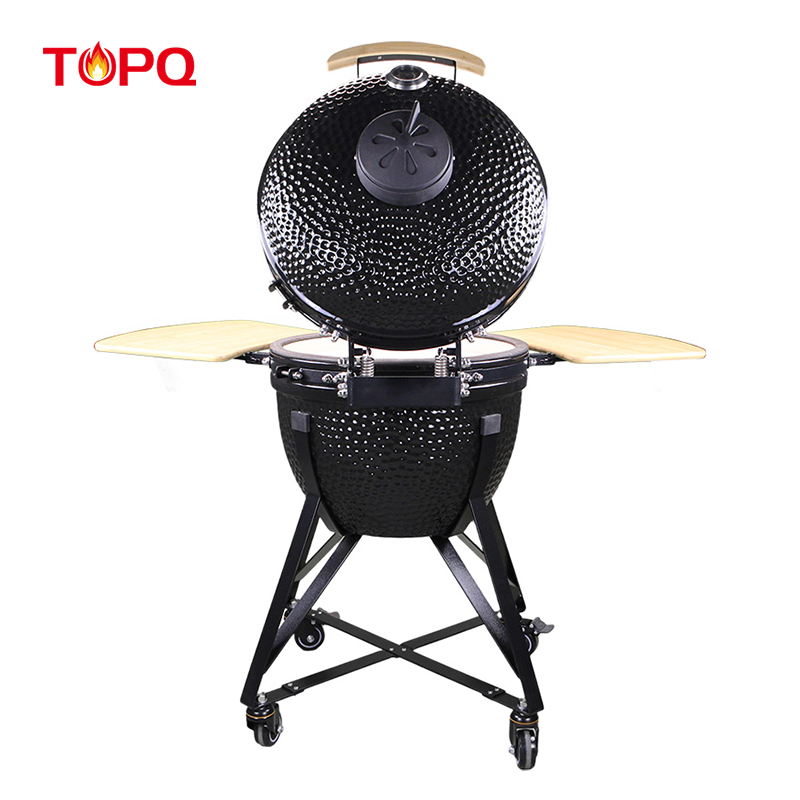
Similarly, the composition of ceramic heat deflectors and pizza stones used in a Kamado Smoker Grill requires strict scrutiny. These cordierite stones sit directly above the charcoal bed and often come into direct contact with food. They must be certified free of toxic binders, heavy metals, and industrial contaminants. Any off-gassing from these porous stones will immediately taint the food and violate safety standards. Testing must simulate the exact thermal stress these stones endure during a live fire.
Request the specific material data sheet for the gasket adhesive.
Verify the maximum temperature rating of the fiberglass or felt seal.
Demand extraction test reports specifically for the cordierite deflector plates.
Check the top vent damper for food-safe lubricants.
Failing to secure proper documentation has immediate operational impacts. If FDA or EU customs officials flag a shipment for missing or fraudulent Declaration of Compliance (DoC) paperwork, the container will be held at the port. Customs agencies routinely sample and test imported cooking vessels. If a unit fails heavy metal extraction tests, the entire shipment is flagged. This is not a theoretical risk; port authorities actively target unverified ceramic imports.
The financial cost of these disruptions is severe. Importers face accumulating port storage fees, mandatory destruction of non-compliant goods, and resulting stockouts that damage retail relationships. Ensuring all food contact certifications are valid and present before the container leaves the origin port is the only way to mitigate this logistical nightmare. You must build a compliance dossier for every single SKU you import.
For the US market, the Generally Recognized As Safe (GRAS) standard applies heavily to the metallic cooking grates. Materials like 304 stainless steel are typically considered GRAS for food contact, provided they do not contain harmful impurities. Importers must ensure the factory is not substituting lower-grade alloys that fail this standard under high heat. You need XRF testing to confirm the exact alloy grade before shipment.
Ceramic components face specific FDA extraction testing. Under CPG Sec. 545.400, the FDA strictly limits the allowable levels of lead and cadmium leaching from ceramics. Laboratories test these components using acidic solutions to simulate food contact over time. Passing this extraction test is mandatory for legal entry into the United States. Do not accept tests performed on flat ceramic tiles; the test must be conducted on the actual curved dome or firebox material.
Furthermore, FDA Title 21 CFR 177 regulations govern the polymers, sealants, and lubricants used in manufacturing. Any adhesives used to attach gaskets, or lubricants used on top vent dampers, must comply with these regulations to ensure they do not volatilize and contaminate the cooking chamber. A complete Kamado Charcoal Grill requires a multi-tiered testing approach to satisfy all FDA requirements.
The European Union enforces the Framework Regulation (EC) No 1935/2004, with the German LFGB standard serving as the benchmark for quality. LFGB requirements are significantly more aggressive than FDA standards. LFGB protocols include stringent overall migration limits and specific tests for sensory changes, ensuring the materials do not transfer any taste or smell to the food. If a component alters the flavor profile of the test medium, it fails LFGB certification.
Products passing these rigorous tests earn the right to display the "Glass-and-Fork" symbol. This symbol, along with accompanying traceability documentation, is required for EU entry. Importers targeting Europe must demand LFGB compliance, as standard FDA-level testing will not satisfy European customs authorities. The documentation must trace the materials back to the original raw material suppliers.
Standard | Primary Focus | Testing Rigor | Target Market |
|---|---|---|---|
FDA Title 21 CFR | Heavy metal extraction, polymer safety | High (Acidic extraction simulation) | United States |
LFGB | Migration limits, sensory/taste transfer | Very High (Includes smell/taste tests) | European Union |
NSF/ANSI 51 | Commercial durability, cleanability | Extreme (Physical design audits) | Global Commercial |
When importing units intended for commercial restaurant use, the requirements shift toward NSF/ANSI 51 (Food Equipment Materials). This certification evaluates an Outdoor Kamado BBQ for its suitability in professional kitchens. It dictates strict material safety limits and evaluates how the materials perform under continuous, heavy-duty commercial stress. Commercial environments expose the grill to harsh cleaning agents and continuous thermal cycling.
NSF/ANSI 51 also carries heavy design implications. The certification requires cleanability and non-porous surfaces to prevent mold and bacterial growth. Surface smoothness, the elimination of sharp internal crevices, and the ability to withstand commercial cleaning chemicals are all audited. Achieving this standard fundamentally changes the manufacturing process and material selection. Factories must redesign internal components to eliminate food trap zones.
Importers must establish a framework for verifying third-party lab reports directly with the issuing laboratory, such as SGS, Intertek, or TÜV Rheinland. Never accept a PDF report at face value. Contact the lab using the report number to confirm its authenticity and ensure the tested product matches the unit you are purchasing. Fraudulent documentation is rampant in overseas sourcing.
Watch for common red flags during this review. Redacted batch numbers, expired testing dates, or reports issued to a different trading company rather than the actual manufacturer indicate high risk. A legitimate factory will provide unredacted, current reports in their own name without hesitation. If the factory hesitates to provide the full report, walk away immediately.
Verify the report number directly on the testing laboratory's official portal.
Check the date of issuance; reports older than two years are generally obsolete.
Ensure the product photos in the lab report match the exact model you are ordering.
Confirm the applicant name on the report matches the factory you are paying.
A common bait and switch tactic involves a supplier providing a passing test report for the stainless steel grate, while lacking documentation for the ceramic glaze or the high-temperature gasket. Food contact compliance is not a blanket approval; it applies to individual materials. A passing grade on the metal grate does not clear the ceramic dome for import.
To combat this, establish the requirement for a comprehensive Bill of Materials (BOM). Cross-reference this BOM with individual component test reports. Every part that touches food or operates in the heated airflow path must have corresponding, verified safety documentation. You must audit the BOM line by line against the provided lab reports.
Product-level testing is only part of the equation; the manufacturer's facility certification matters immensely. Factories must possess Good Manufacturing Practices (GMP) or HACCP systems. These frameworks ensure that the production environment is controlled and sanitary. You cannot produce a food-safe product in a contaminated facility.
Without these systems, industrial lubricants, metal shavings, or chemical solvents can easily contaminate the unit during final assembly and packing. A facility operating under strict GMP guidelines guarantees that the safe materials verified in lab testing remain uncontaminated throughout the mass production process. Request the factory's latest ISO or GMP audit report before placing a deposit.
Sourcing a fully compliant Kamado Ceramic Grill involves a conceptual price premium. LFGB-compliant ceramics, high-grade 304 stainless steel, and food-safe gaskets cost more than uncertified domestic-market equivalents. Factories must use refined raw materials and maintain tighter firing controls to pass heavy metal extraction tests. You are paying for the assurance of clean raw materials.
However, you must frame this premium as a necessary insurance policy. The upfront cost mitigates the massive risks of product liability lawsuits, rapid rusting that destroys brand reputation, and the logistical nightmare of product recalls. Certified manufacturing protects your business continuity. Cutting costs on raw materials directly increases your liability exposure at the port of entry.
Integrate random batch testing into your manufacturing agreement before the container is loaded. A robust Pre-Shipment Inspection (PSI) protocol ensures that the factory maintains compliance across the entire production run, not just on the initial golden sample. You must verify that the mass production units match the certified prototype.
Specify the need for destructive testing protocols on a sample basis. Inspectors should verify ongoing glaze integrity, confirm metal composition using XRF analyzers, and check gasket safety. Catching a non-compliant batch before it leaves the factory saves you from catastrophic customs failures at the destination port. Instruct your third-party inspectors to pull samples randomly from the bottom of the pallets.
Hire an independent inspection agency to conduct a During Production (DUPRO) check.
Perform XRF material analysis on the cooking grates during the final PSI.
Execute a high-heat burn test on a random sample to check for gasket off-gassing.
Review the factory's internal quality control logs for the specific production batch.
Request a complete Declaration of Compliance (DoC), factory GMP audits, and unredacted third-party lab reports from shortlisted manufacturers. Initiate independent verification with the testing labs before authorizing tooling or sample production. Implement strict pre-shipment inspections to ensure ongoing compliance.
Demand a full Bill of Materials mapped to individual food contact test reports.
Verify all lab reports directly with the issuing agency (SGS, TÜV, Intertek).
Mandate XRF testing during pre-shipment inspections to confirm stainless steel grades.
Require the factory to sign a liability agreement regarding customs rejections due to material non-compliance.
A: The FDA does not formally approve grills. However, the materials contacting food, such as the grates and glazed ceramics, must comply with FDA Title 21 CFR regulations regarding heavy metal extraction and material safety to legally clear US customs.
A: LFGB is the European standard and is generally stricter than the FDA. It involves rigorous testing for the transfer of heavy metals, toxic chemicals, and any materials that could alter the smell or taste of the food under high heat.
A: Yes. Customs agencies have the authority to hold, test, or reject shipments if they suspect non-compliance or if the importer fails to provide a valid Declaration of Compliance and supporting lab reports.
A: Yes. Because gaskets are exposed to high-heat convection airflow that circulates directly over the food, they must not off-gas toxic compounds or drop hazardous fibers. Certified high-temp, food-grade materials are required.
A: You can verify this by searching the official NSF online database using the manufacturer's exact registered name or the specific product model number to ensure the certification is active and valid.
A: Yes. Food contact certifications are material-specific. The metal grate requires testing for alloy safety, nickel migration, and corrosion resistance, while the ceramic body requires testing specifically for lead and cadmium leaching.


