


Views: 0 Author: Site Editor Publish Time: 2026-06-01 Origin: Site


Kamado grills offer legendary moisture retention and unmatched culinary versatility. However, they remain notoriously unforgiving for first-time users. Their steep learning curve catches many eager cooks completely off guard. Traditional ceramics possess a massive thermal mass. This creates a dangerous "temperature overshoot" trap. Because the thick walls absorb so much heat, overshooting your target temperature means waiting hours for the grill to cool down. It ruins dinner plans and deeply frustrates novices.
This guide evaluates the top Kamado brands specifically through a beginner's lens. We focus heavily on ease of temperature control, true out-the-door costs, and out-of-the-box usability. You will discover exactly which models prevent frustrating buyer’s remorse. We will break down key material differences, hidden accessory taxes, and practical hardware features to ensure your first barbecue is a resounding success.
Best Overall for Beginners: Kamado Joe (specifically Classic II or III) wins for its "everything-included" accessory ecosystem and beginner-friendly air-lift hinge.
Most Forgiving (And Durable): Weber Summit Kamado utilizes insulated steel, making it lighter, immune to cracking, and much faster to correct if you accidentally overshoot your target temperature.
Best Low-Risk Entry: Char-Griller Akorn offers a highly capable, lightweight steel alternative at a fraction of the cost, ideal for testing the waters before a $1,500+ commitment.
The Big Green Egg Caveat: While iconic with unmatched resale value, the "accessory tax" (having to buy the stand and heat deflectors separately) makes it a steeper initial investment for novices.
Thick ceramic walls make a Kamado brilliant for 12-hour low-and-slow smoking. The walls absorb thermal energy and radiate it evenly across your brisket or pork butt. However, this same thermal mass acts as a double-edged sword. It reacts very slowly to vent adjustments. If you accidentally let the fire rage to 400°F, you cannot just turn a dial down. The dense ceramic holds onto that intense heat fiercely. You must wait hours for temperatures to drop safely back to 225°F. This specific trap frustrates countless beginners.
Common Mistake: Many beginners leave the bottom vent wide open while preparing their meat indoors. This causes the charcoal to ignite completely. The internal dome temperature rockets past 500°F. Because ceramic acts like a heavy thermal battery, fixing this mistake requires entirely shutting down the vents and waiting sometimes two full hours for the heat to dissipate.
Logistical realities also surprise many eager new buyers. Traditional ceramic cookers weigh upwards of 200 pounds when fully assembled. They demand incredibly careful handling from the moment they arrive. Moving them across an uneven backyard patio invites disaster. One wrong bump against a step can easily crack the heavy internal firebox or the beautiful exterior shell. You need at least two strong people simply to place it in its nest safely.
Finally, buyers face the frustrating accessory illusion. Buying the beautiful grill itself only represents step one of the journey. A ceramic cooker without a heat deflector cannot act as a smoker. It simply burns meat directly over raging hot coals. Beginners must evaluate different brands based on the complete required setup. You need to know exactly what comes inside the shipping box. Otherwise, you might plan a weekend barbecue only to realize you cannot actually smoke anything.
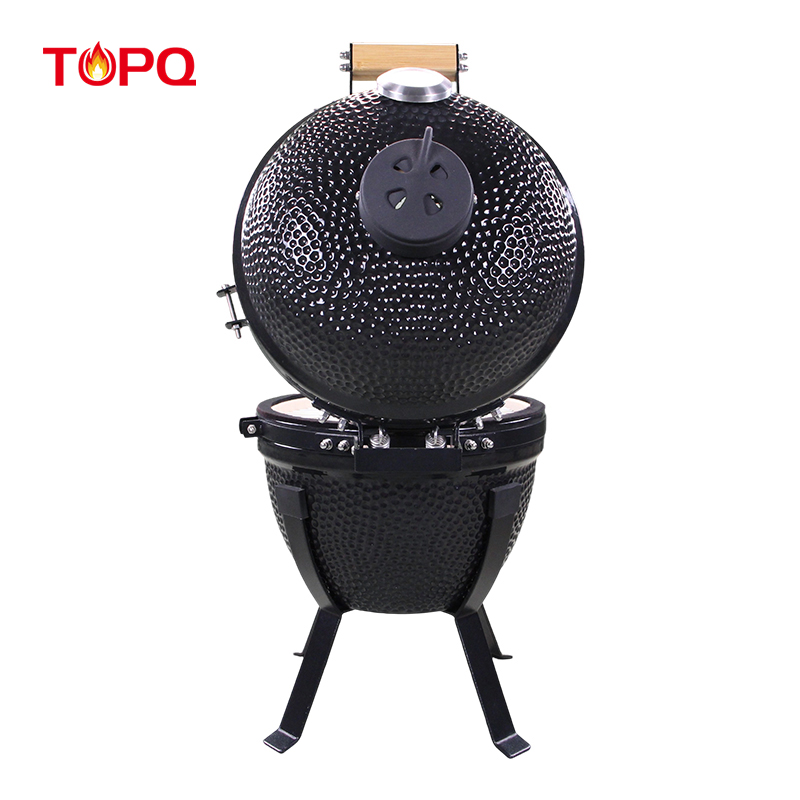
Choosing your very first cooker requires looking far beyond basic brand names. We evaluate these heavy models based on four specific beginner-friendly criteria.
Material deeply dictates how your grill behaves during a long cook.
Ceramic: It provides superior insulation and genuine lifetime longevity. However, thick ceramic is exceptionally heavy and painfully slow to cool down once overheated.
Insulated Steel: This modern alternative is much lighter and easier to manage. It will never crack under thermal stress or physical impact. Most importantly, dual-wall steel responds highly to vent changes. This responsive trait proves crucial for beginners actively learning proper airflow control.
You must ask what the manufacturer actually includes for the base price. Does the heavy box contain a sturdy rolling cart? Are there side shelves for your prep space? Does it include an ash cleaning tool and vital heat deflectors? A truly complete package completely eliminates immediate beginner frustration. You avoid running back to the hardware store mid-assembly.
Handling a heavy 40-pound ceramic dome lid feels dangerous over time. You should look actively for models featuring specialized air-lift hinges. These smart mechanisms reduce the lifting weight dramatically. You can literally open them with a single finger. You should also seek multi-piece internal fireboxes. Traditional solid ceramic fireboxes often suffer from severe thermal expansion cracking. Sectional petal designs easily resist these intense heat fluctuations.
Best Practice: Always look for top vents made of cast aluminum rather than traditional cast iron. Cast iron requires constant seasoning to prevent aggressive rust. Aluminum remains completely rust-proof, saving beginners hours of tedious maintenance.
Excess ash buildup quickly chokes your charcoal fires. It ruins long overnight smoking sessions. Beginners struggle immensely when bottom vents clog mid-cook. You want systems offering slide-out ash drawers. Proprietary ash sweep systems also drastically reduce beginner frustration. They make cleanup fast, clean, and highly efficient.
This brand eliminates frustrating guesswork entirely. It includes absolutely everything needed to start roasting and smoking immediately. You unpack the crates, assemble the rolling cart, and start cooking your first meal.
The famous Divide & Conquer flexible cooking system comes standard. It includes essential half-moon heat deflectors for smoking. A thick woven fiberglass gasket creates a far better seal than traditional felt bands. The Kontrol Tower top vent remains completely rainproof during unexpected storms. Meanwhile, the signature Air Lift Hinge makes the massive ceramic lid feel virtually weightless.
However, you should note a few minor physical drawbacks. The external powder-coated steel bands can eventually show surface rust. This typically happens over a decade of heavy outdoor use. It contrasts slightly against the lifetime durability of the red ceramic shell.
This large grill behaves much more like a traditional kettle. Yet, it delivers premium, thick-wall insulation. If a beginner overshoots their target from 250°F to 350°F, it sheds heat much faster than ceramic.
It uses an advanced dual-wall steel construction. Air sits trapped between the steel walls for brilliant heat insulation. This makes the unit massively lighter than its ceramic competitors. It remains incredibly easy to move around a wooden deck. You get a massive 24-inch cooking grate out of the box. This provides a highly forgiving two-zone management area. Furthermore, there is zero risk of the body cracking if dropped.
The main drawback is purely visual. It simply lacks the traditional aesthetic charm of a classic ceramic egg. It also carries a noticeably higher price point for a steel unit.
We consider this model the perfect "training wheels" option. It safely allows beginners to learn fire management and airflow. You do so for roughly 20 to 25 percent of the initial cost of premium brands.
The Akorn utilizes triple-walled insulated steel. It stays exceptionally lightweight at just under 100 pounds. You can easily roll it across thick backyard grass. It also boasts highly fuel-efficient operations during long cooks.
It does carry some notable long-term drawbacks. The painted steel body is prone to rusting if left uncovered in the rain. You must maintain it diligently year-round. Holding exact low temperatures is slightly more finicky compared to heavy ceramics.
This iconic green cooker boasts an endless array of third-party accessories. You gain immediate access to infinite community recipes online. It also provides a deeply reassuring lifetime warranty on the ceramics.
The brand uses high-grade proprietary ceramics developed over decades. They offer incredible brand pedigree across the barbecue world. You also enjoy excellent market resale value if you decide this cooking style simply isn't for you.
The biggest drawback remains the steep "Accessory Tax." The base retail price covers just the bare ceramic shell. Beginners must pay extra for the metal "nest" stand. You pay extra for wooden side tables. Most importantly, you must buy the "convEGGtor." This proprietary heat deflector remains absolutely essential for any low-and-slow smoking.
Beginners often miscalculate their initial startup budget. They look at the bare grill price tag and stop there.
We must define what a beginner actually needs to cook. To smoke your first brisket or pork butt successfully, you need four vital items. You need the cooking grill itself. You need a safe rolling stand. You absolutely need a heat deflector for indirect heat cooking. Finally, you need an ash tool for safe cleanup.
We can compare major brands using a simple breakdown. This chart perfectly illustrates the true final price of setting up your backyard kitchen.
Brand Setup Approach | Grill Unit Cost | Required Stand | Heat Deflector | Ash Tool | True Out-the-Door Price |
|---|---|---|---|---|---|
Brand A (e.g., Kamado Joe) | Included in base price | Included in box | Included in box | Included in box | Matches base retail price exactly |
Brand B (e.g., Big Green Egg) | Base price only | Add roughly $150 | Add roughly $100 | Add roughly $30 | Base price plus ~$280 extra |
You must also budget carefully for proper daily fuel. These specific grills strictly require high-quality natural lump charcoal. Standard compressed briquettes create far too much fine ash. This excess ash quickly chokes internal airflow holes. Buying premium lump charcoal adds slightly to your immediate operational cost. However, you cannot skip this crucial step without ruining your overall cooking experience.
Another hidden cost involves specialized cleaning tools. While a standard wire brush works on cheap grates, ceramic grills often use thick stainless grates requiring sturdy scrapers. Additionally, purchasing a proper heavy-duty cover is mandatory if you store the unit outdoors. A waterlogged cooker takes twice as long to reach a stable smoking temperature.
These heavily insulated grills are phenomenal culinary tools. However, they simply do not fit every single lifestyle.
Perhaps your primary goal is firing up the grill for 15 minutes after work. You just want to cook simple hot dogs and thin burgers quickly. If so, a 30-minute charcoal heat-up time is a severe lifestyle mismatch. These heavy cookers demand real patience and careful preparation.
Renters who move between houses frequently face major logistical hurdles. Those who want to tailgate at football games will also struggle. Moving 200 or more pounds of fragile ceramic is physically exhausting. It requires multiple strong people and extreme situational care.
Consider the environmental space as well. These cookers produce heavy, lingering smoke during the startup phase. If you live in an apartment complex with strict balcony fire codes, a heavy charcoal cooker will likely violate local safety regulations.
We strongly point these specific users toward modern pellet grills. Pellet models offer unmatched set-and-forget digital convenience. Alternatively, standard propane gas or simple steel kettle grills work perfectly for quick weeknight family meals.
Selecting the right Kamado depends heavily on your initial budget and personal patience. Choose Kamado Joe if you want the absolute best ceramic experience without frustrating accessory headaches. Choose the Weber Summit if you fear cracking heavy ceramic and want unmatched temperature forgiveness. Choose the Char-Griller Akorn if you sit on a strict entry-level budget.
Your very first backyard cook matters immensely. Avoid attempting a high-heat steak sear right away. This safe initial approach helps you securely learn your new grill's vent responsiveness.
Follow these actionable next steps for your first cooking session:
Assemble your entire grill setup and verify all bolts are securely tightened.
Purchase high-quality natural lump charcoal and entirely avoid chemical lighter fluids.
Start your journey with a simple low-and-slow recipe, like a large pulled pork shoulder, to practice safe temperature control.
Stick to one reliable brand of charcoal until you fully understand how your vents respond to airflow changes.
A: They pose a unique challenge due to extreme heat retention. They are very easy to heat up but incredibly difficult to cool down. If a beginner accidentally opens the vents too wide, the temperature spikes. You then have to wait hours for the thick walls to release that trapped heat safely.
A: Yes, it is absolutely essential. A heat deflector blocks the direct flames from hitting your food. Without it, you are simply direct grilling over hot coals. Inserting the deflector allows the grill to function as a highly efficient oven and smoker for indirect roasting.
A: No. You must use 100% natural lump charcoal. Standard briquettes contain chemical binders and fillers. These create a massive amount of fine ash. This excess ash quickly clogs the small airflow holes in the firebox, suffocating your fire and entirely ruining temperature control.
A: Premium ceramic models easily last a lifetime. Brands like Kamado Joe and Big Green Egg offer lifetime warranties on their ceramic components. Budget steel models, like the Akorn, typically last between 5 and 10 years, depending heavily on your climate and diligent maintenance routines.


